Honest Chimney Inspection Closter NJ: 2026 Guide for Rockleigh and Northern Valley Residents
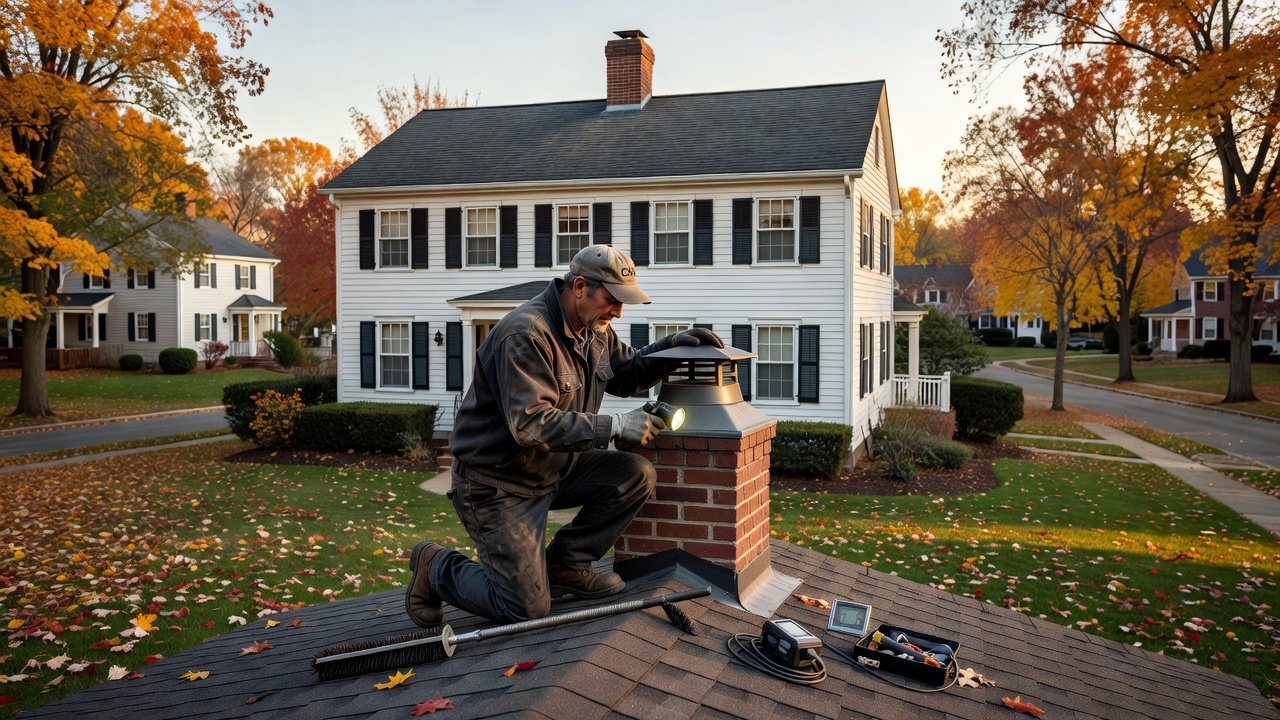
Most chimney problems announce themselves well before they become emergencies you just have to know what you’re looking at. We were called out to a home on Rockleigh Road last November by a homeowner who had noticed a faint, sweet-smoky smell coming from a hallway closet that backed up to the chimney chase. She had already aired out the room, checked for drafts, and assumed the smell would pass with the season. It didn’t. When we ran a camera through the flue, we found a section of liner had separated about eight feet up, and exhaust gases had been slowly infiltrating the wall cavity for weeks. A chimney inspection the kind of thorough, eyes-on-the-system check a professional performs would have caught that separation before it became a health concern.
Whether your home is in Rockleigh, Closter, Demarest, or Northvale, the signs that you need a chimney inspection Closter NJ homeowners and their neighbors rely on aren’t hidden. They show up in your firebox, on your walls, in the smell of your house, and sometimes in the sound your fireplace makes when it’s working too hard. This article runs through the specific warning signs we see most often in this corner of Bergen County, what each one actually means, and how to think clearly about what you can handle yourself versus when it’s time to pick up the phone.
Warning Signs You Can See from Inside the House
Staining on the Ceiling or Wall Near the Chimney
Brown or yellowish streaks running down an interior wall adjacent to the chimney chase almost always point to water intrusion either through a failed crown, a cracked flue tile, or deteriorated flashing where the chimney meets the roofline. This is not a cosmetic problem. Water that reaches framing and insulation can cause structural damage and mold. You can note the stain and watch it over a dry week, but if it reappears or spreads, that is a call-a-pro-now situation. Water damage inside a chimney system accelerates in our NJ freeze-thaw winters, and a home that sits in Rockleigh’s wooded terrain with trees close to the roofline compounds the moisture exposure.
White Staining (Efflorescence) on the Exterior Chimney Brick
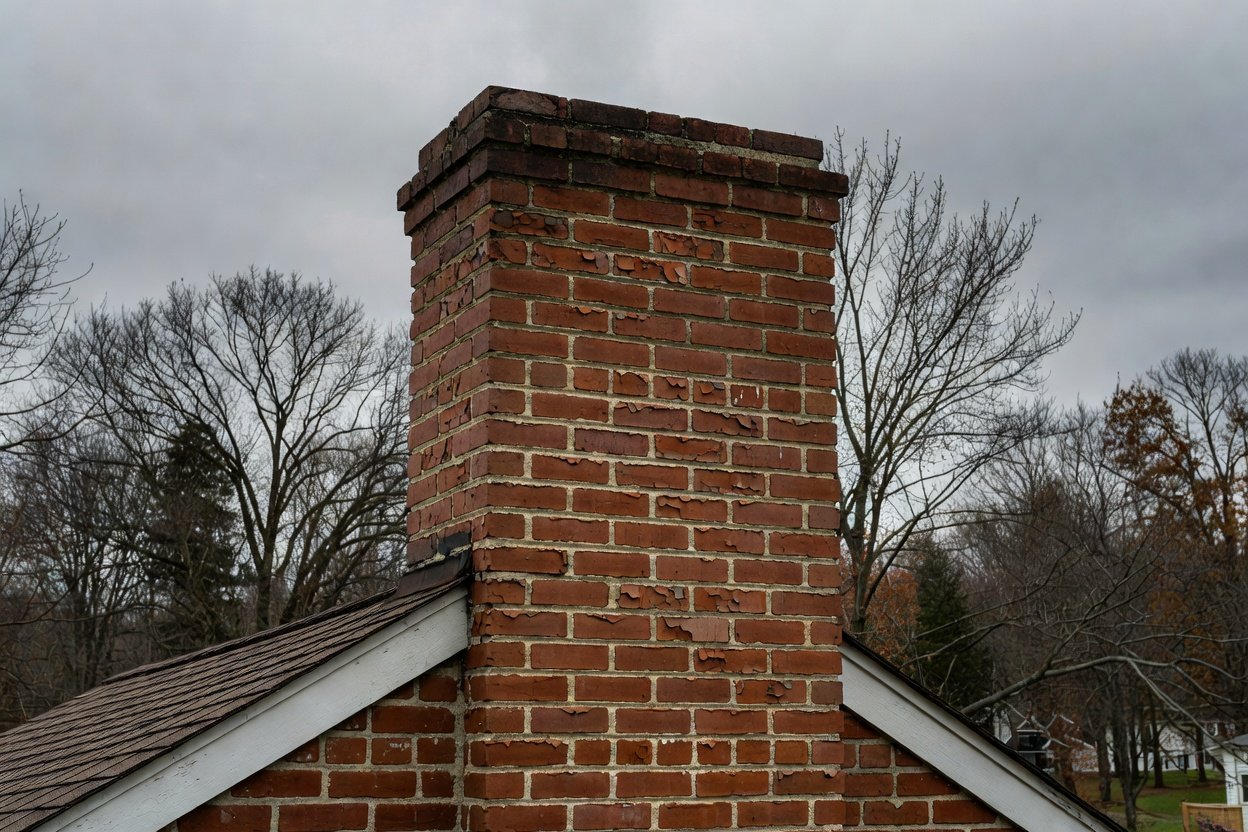
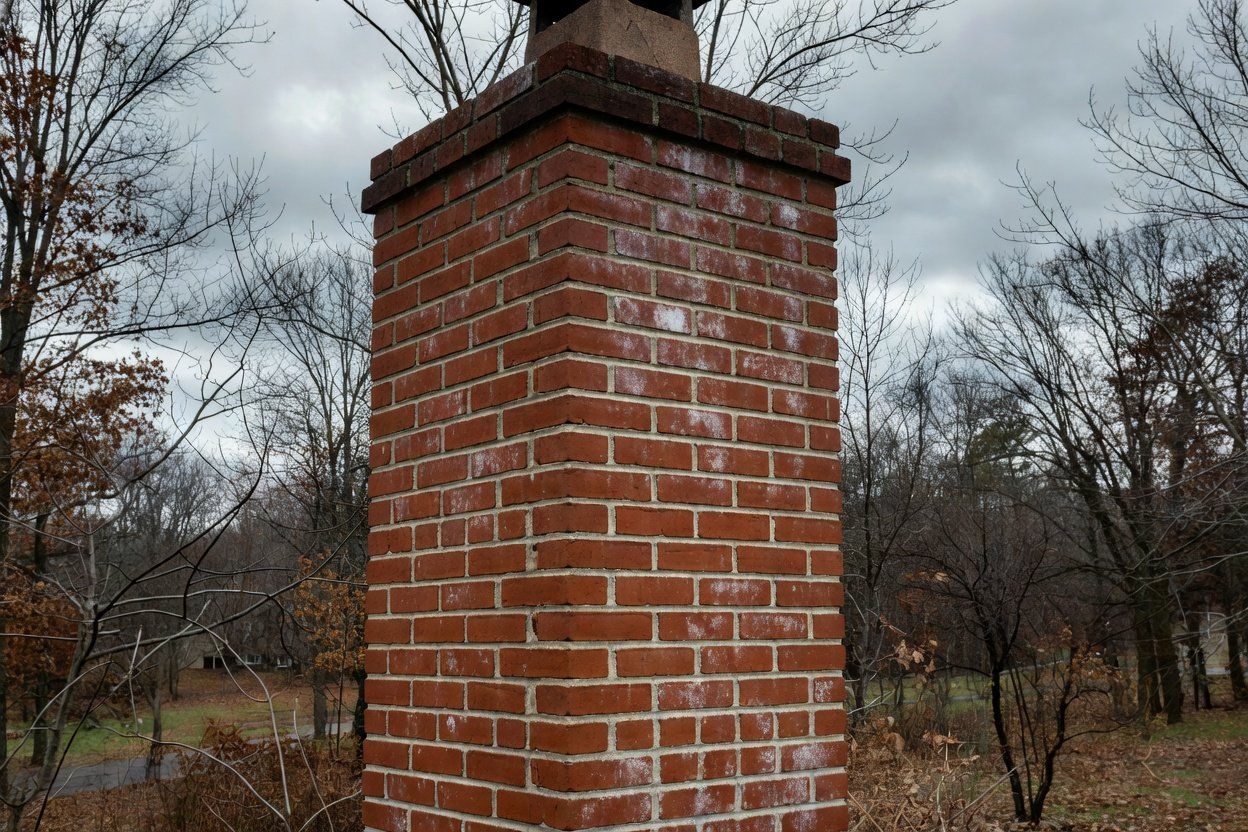
That chalky white residue you might see on the outside of your chimney isn’t just weathering. Efflorescence is mineral salt being pushed to the surface by water moving through the masonry. The brick itself is absorbing and releasing moisture repeatedly, which eventually causes spalling where the face of the brick flakes away. You can clean efflorescence off yourself, but the staining will return until the underlying water source is addressed. A pro needs to assess the crown, cap, and mortar joints. Keep an eye on it through one wet season; if it comes back, schedule an inspection.
Crumbling Mortar in the Firebox
Get a flashlight and look at the mortar joints between the firebrick inside your firebox. If you see gaps, crumbling, or sections where the mortar has turned to powder, that is a sign the refractory material is breaking down from repeated heating and cooling cycles. Loose or missing mortar allows heat to reach parts of the structure that are not built to handle it. This is genuinely not a DIY repair matching refractory mortar, knowing the cure process, and making sure the repair is structurally sound requires field experience. We see this regularly in older homes in Closter and Demarest where fireplaces have been in use for forty or fifty years without a thorough inspection.
Damper That Sticks, Won’t Seal, or Feels Warped
A damper that doesn’t open smoothly or won’t close completely is a two-part problem. In the heating season, a damper that won’t seal lets cold air fall directly into your living space and drives up your heating bill. A damper that’s stuck open or warped can also signal that the firebox has experienced temperatures beyond its design range a sign of a past chimney fire you may not have even known happened. You can operate and observe the damper yourself, but if it’s physically deformed or won’t seat correctly, that warrants a professional inspection before you light another fire.
Warning Signs You Can Smell or Hear
A Persistent Smoky or Acrid Smell When the Fireplace Isn’t in Use
This is the sign that brought the Rockleigh homeowner to us last fall. Odor coming from a cold fireplace especially during humid summer months or after heavy rain almost always means one of two things: creosote deposits in the flue are off gassing as temperatures and humidity change, or there is a breach in the liner allowing combustion byproducts to escape into the home. According to the Chimney Safety Institute of America, creosote buildup is the leading cause of chimney fires in the United States, with the U.S. Fire Administration estimating roughly 25,000 chimney fires occur annually. Neither source of that smell is something you manage with an air freshener. If the odor is faint and appears only in high humidity, you can schedule a sweep for the fall. If it’s present in winter or smells sharp and chemical, call now.
Smoke Backing Up into the Room When You Have a Fire
Occasional puffback when you first light a cold flue is normal the air column needs to warm before it draws properly. But if smoke routinely spills into the room during a fire, that’s a draft problem. It could be a blocked flue cap, a bird or animal obstruction, a flue sized incorrectly for the insert, or negative pressure caused by the house’s HVAC system. Each cause has a different fix, and diagnosing the right one requires more than a visual from the hearth. This is a call-a-pro situation. We see this in Park Ridge and Old Tappan homes where newer insulation upgrades have tightened the envelope and changed how the chimney drafts.
When a Chimney Inspection Closter NJ Homeowners Schedule Is Actually Non-Negotiable
The National Fire Protection Association (NFPA 211) recommends that chimneys, fireplaces, and vents be inspected at least once a year and cleaned as needed regardless of how frequently the fireplace is used. That’s a baseline, not a maximum. Two situations make a professional inspection genuinely non-negotiable, not just advisable.
The first is a home sale. The CSIA reports that a Level 2 chimney inspection, which includes video scanning of the flue interior, typically costs between $150 and $500 and is required any time a home is sold or a system has experienced a malfunction. We perform Level 2 inspections regularly for buyers and sellers across Closter, Norwood, and Harrington Park and the video report gives both parties something concrete to negotiate with, which a basic visual never does.
The second is after any suspected chimney fire. A chimney fire doesn’t always sound dramatic. Some are slow, smoldering events that a homeowner never notices in real time. If your damper is warped, you notice a strong burning odor after a hot fire, or you can see cracking in the flue tiles, assume a thermal event occurred and do not light another fire until a professional has cleared it.
Signs You Can Genuinely Monitor Yourself — For Now
Not everything requires an immediate service call. Light efflorescence that appeared after a single wet season, a small amount of ash or soot accumulation on the firebox floor after normal use, and a slightly stiff damper handle that opens and closes fully are all things a homeowner can note and watch over one season before scheduling routine maintenance. The key word is routine these observations belong on your list for the annual inspection, not in a drawer.
How do I know if I need a chimney inspection in Closter NJ before I use the fireplace this season?
If you notice any of the warning signs in this article staining on walls near the chimney, a persistent smoky odor when the fireplace is cold, crumbling mortar in the firebox, or a damper that won’t seat properly schedule an inspection before lighting a fire. The NFPA 211 standard calls for at least one inspection per year regardless of use frequency, so even if everything looks fine, an annual check is the right baseline for any Bergen County home with a woodburning or gas appliance.
What does a Level 2 chimney inspection include, and when is it required?
A Level 2 inspection includes a camera scan of the entire flue interior, in addition to the accessible areas of the firebox, damper, and exterior structure covered in a standard Level 1 inspection. The CSIA requires a Level 2 any time a home is sold, a new appliance is installed, or the system has experienced a malfunction or suspected chimney fire. In our service area Closter, Rockleigh, Demarest, and the surrounding Northern Valley towns we perform Level 2 inspections for real estate transactions regularly, and the video documentation is often a negotiating asset for both buyers and sellers.
Can I clean my chimney myself or do I need a professional sweep?
Basic ash removal from the firebox floor is something a homeowner can do safely. Creosote removal is a different matter. Creosote forms in layers the early, flaky stage is less hazardous, but second and third-stage buildup is dense, oily, and extremely flammable. Removing it safely requires specialized brushes, vacuum containment equipment, and the knowledge to assess how much is present and where. The CSIA identifies creosote as the leading cause of chimney fires in the US. A professional sweep also gives you a set of trained eyes on the entire system, which a brush-and-bucket approach simply cannot replicate.
Schedule Your Closter Chimney Inspection
If any of the warning signs in this article sound familiar or if you simply haven’t had the system looked at since last season, we’re here to help. Northvale Chimney serves Rockleigh, Closter, Demarest, Norwood, Harrington Park, and homeowners throughout the Northern Valley region of Bergen County. We don’t rush inspections, we don’t sell services you don’t need, and we explain what we find in plain language before any work begins. That’s what done once and done right means to us. Reach out at chimneynorthvale.com or give us a call to schedule your inspection we’re booking for the 2026 heating season now.
Related from Northvale Chimney: Honest Chimney Repair Rockleigh NJ · Smart Chimney Inspection Norwood NJ