Smart Chimney Inspection Norwood NJ: 2026 Guide for Closter and Northern Valley Residents
A homeowner on Closter Road called us in early September last year, a little sheepish about it. She had meant to schedule her annual chimney inspection the previous spring, then life got busy, and now it was five days before she wanted to light the first fire of the season. We squeezed her in, found a significant creosote deposit in the lower flue, and cleaned it out but we also had to tell her she’d missed the window for the calm, unhurried appointment she deserved. Her story is more common than you’d think across Closter, Norwood, Harrington Park, and the rest of the Northern Valley.
If you’re searching for a chimney inspection Norwood NJ or nearby, you’re probably already thinking about heating season. Good. The goal of this guide is to walk you through how to time that inspection intelligently, what to expect at each stage, and what the real cost looks like when you delay not in abstract terms, but in actual dollars and disrupted evenings.
Before You Start: Know What You’re Actually Booking
A chimney inspection is not the same thing as a chimney sweep, and confusing the two can leave you with an incomplete picture of what’s going on inside your flue. An inspection at minimum a Level 1 covers the accessible interior and exterior surfaces of your chimney system, the firebox, the damper, and the visible portions of the flue liner. The National Fire Protection Association (NFPA 211) recommends that chimneys, fireplaces, and vents be inspected at least once a year and cleaned as needed, regardless of how often you use the fireplace. That “regardless of use” part surprises people. Even a gas fireplace that ran only a handful of times last winter still warrants an annual look.
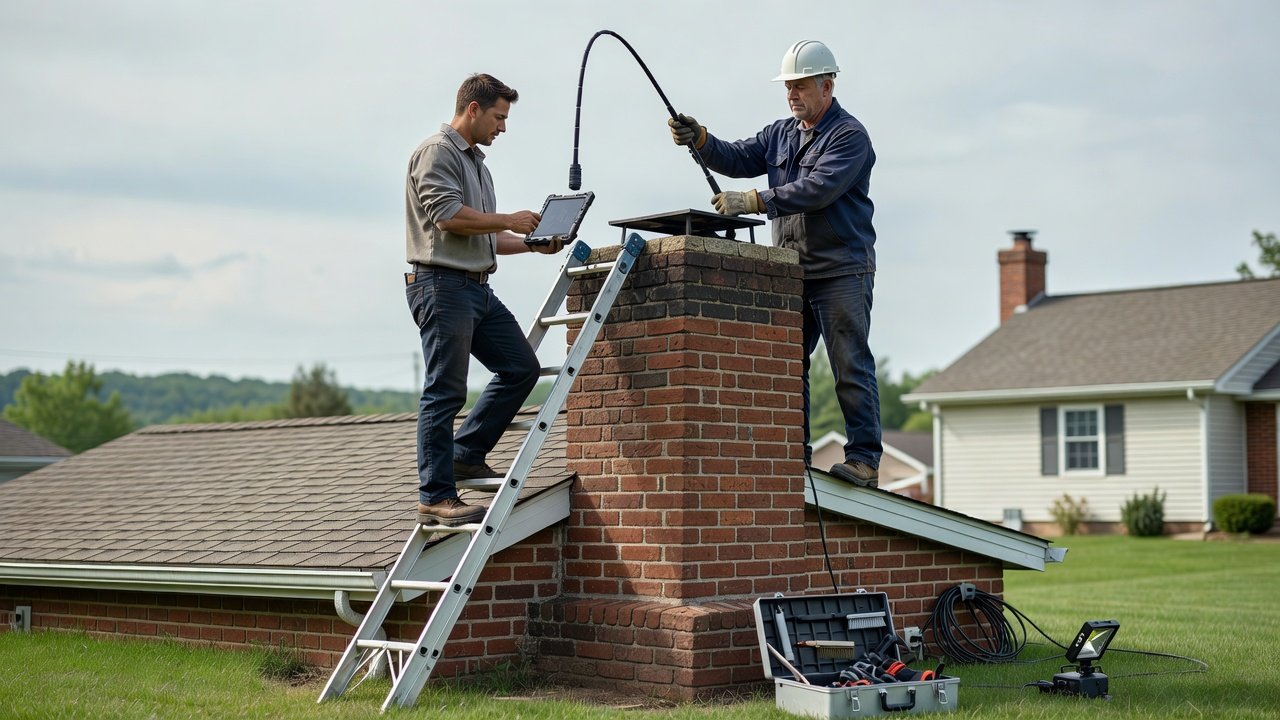
A Level 2 inspection adds video scanning of the flue interior and is required when you’re selling a home or after any malfunction a chimney fire, smoke backing up into the house, a hard freeze that may have cracked a liner. According to the Chimney Safety Institute of America (CSIA), a Level 2 inspection typically costs between $150 and $500 depending on chimney height, accessibility, and market conditions. In Bergen County, expect to land toward the upper half of that range. Know which level you need before you call.
Step 1 — Lock In Your Appointment Before Labor Day
The single most useful thing you can do is book before the calendar turns to September. Most of our customers in Closter and over in Norwood don’t think about the fireplace until a cold front pushes through in October, at which point our schedule fills within days. Scheduling in July or August means you get your pick of appointment windows, your technician has more time to be thorough, and if we find something that needs repair — a cracked tile liner, a deteriorating damper, a failing crown you have actual time to address it before heating season begins in earnest, typically around October in this part of New Jersey.
Step 2 — Pull Out Last Year’s Inspection Report
Before we arrive, dig out the report from your previous inspection if you have one. It tells us what condition the flue was in, what the technician flagged as watch items, and whether any recommended repairs were completed. If you can’t find it, don’t worry we keep records for returning customers but having it on hand speeds up the appointment and gives us a baseline to compare against. Homeowners in Park Ridge and Woodcliff Lake who keep a simple folder with their annual reports often catch developing issues earlier because the progression is visible year over year.
Step 3 — Do a Basic Exterior Walk Before We Arrive
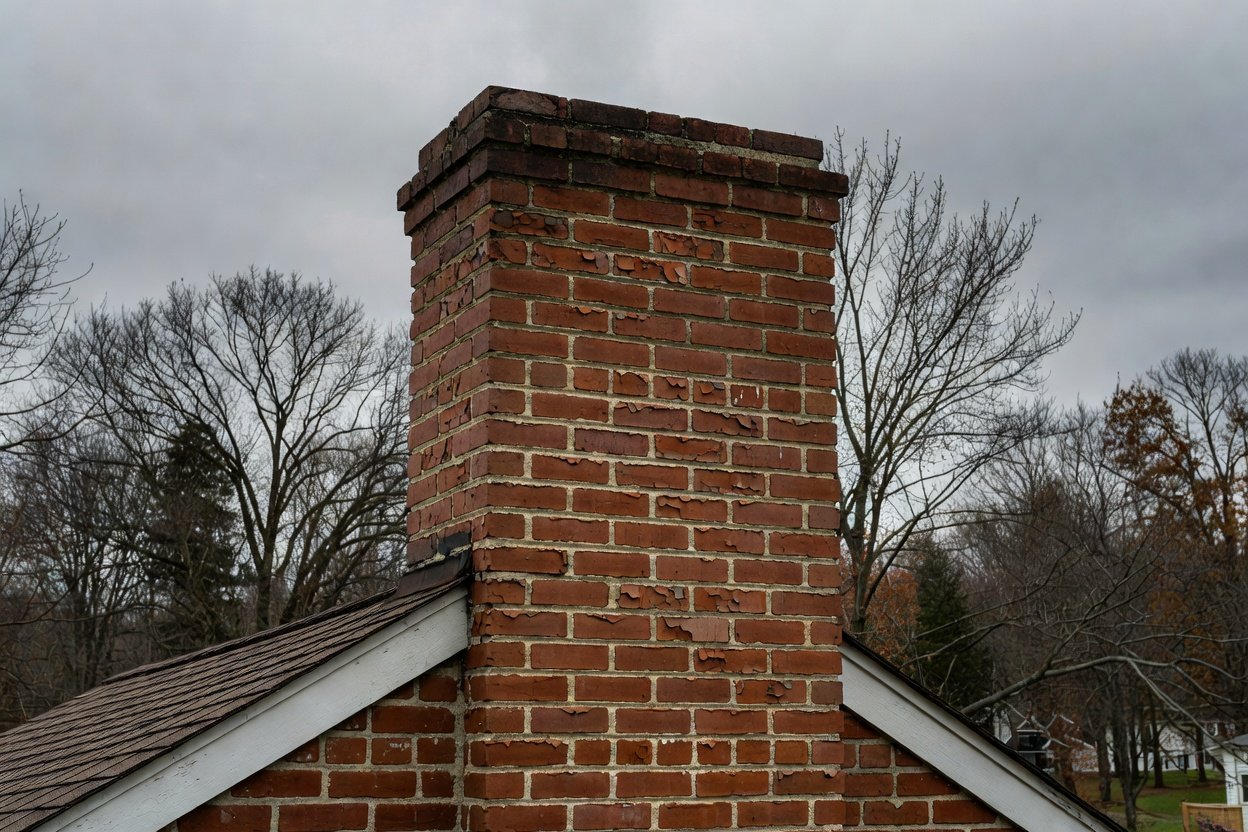
You don’t need to climb on the roof. Stand back from your house and look at the chimney stack. Is the cap still in place? Are there any visible gaps in the mortar between the bricks? Is there white staining called efflorescence — running down the outside of the stack? These are worth noting and mentioning when you call to book. They don’t replace what our inspection covers, but they help us know what to look for and can sometimes bump a repair conversation to before we even get on the ladder.
Step 4 — Understand the Cost of Waiting Until October or November
This is the part homeowners usually wish they’d known earlier. HomeAdvisor’s 2024–2025 cost data puts the national average chimney sweep at $130 to $380, with the northeastern United States including New Jersey trending toward the higher end due to labor market conditions. What the averages don’t capture is the cost of emergency scheduling. When a homeowner in Harrington Park calls us in late October saying the fireplace is smoking and they haven’t had it inspected since 2023, we do our best to fit them in, but it may not happen before that cold weekend they were planning around. And if the inspection turns up a liner that needs relining or a firebox repair, November is not the month to be starting that work from a scheduling standpoint.
The other cost of waiting is less tangible but just as real. According to the CSIA, creosote buildup is the leading cause of chimney fires in the United States, with the U.S. Fire Administration estimating roughly 25,000 chimney fires occur annually. Creosote accumulates whenever wood burns incompletely, and it doesn’t announce itself. A late inspection means a later cleaning, which means you may be burning through October with more buildup than you realize.
Step 5 — Ask Specifically About Your Fuel Type
Wood-burning fireplaces and inserts require the most attention. If you burn a cord of wood or more per season — which is not unusual for a Closter or Demarest home that relies on the fireplace as a supplemental heat source — the CSIA recommends a professional cleaning at least once annually. Gas appliances are lower maintenance but still need annual inspection; the combustion chamber and venting system can degrade without producing visible soot. Oil-fired systems have their own service requirements. When you call, tell us what you burn. It affects what tools we bring and how long the appointment is likely to take.
Step 6 — Plan for the Possibility of a Follow-Up
About one in four inspections we complete in the Northern Valley turns up at least a minor item that needs attention — a cracked flue tile, a damper that doesn’t seat fully, mortar that’s eroding along the crown. None of these are catastrophes, but they do require a return visit or a separate repair appointment. Factor that into your timeline. If you book your inspection in August and we find a tile issue, you have six to eight weeks before peak heating season to get it addressed. Book in November and you’re in a much tighter spot.
Troubleshooting Tip: If Your Fireplace Smoked Last Season, Don’t Wait
Smoke backing into the living space isn’t just unpleasant it’s a sign that something in the system isn’t working correctly. It could be a blocked flue, a draft problem, a damper stuck in the wrong position, or something more serious. If this happened even once last winter, don’t let it sit until fall. Schedule your chimney inspection now, describe what you experienced when you call, and ask about a Level 2 inspection so we can do a video scan and give you a complete picture. Smoke in the house is the system telling you it needs attention, and it deserves a direct answer, not a wait-and-see approach.
What is the best time of year to schedule a chimney inspection in Norwood NJ or Closter?
Late spring through mid-August is the ideal window. Scheduling before Labor Day gives you the widest choice of appointment times and enough runway to complete any repairs before New Jersey’s heating season begins in October. Once October arrives, inspection slots fill quickly across the Northern Valley and repair timelines can stretch significantly.
How much does a chimney inspection cost in Bergen County NJ in 2026?
A standard Level 1 inspection in Bergen County typically runs in the lower portion of the national range, with costs rising for Level 2 inspections that include video scanning of the flue. The CSIA places Level 2 inspections between $150 and $500 nationally, with the northeastern US — including New Jersey — trending toward the higher end due to local labor costs. Exact pricing depends on chimney height, accessibility, and whether sweeping is needed at the same visit.
Do I need a chimney inspection if I barely used my fireplace last winter?
Yes. NFPA 211 recommends annual chimney inspections regardless of how frequently the fireplace was used. Even minimal use can produce creosote deposits, and issues like animal nesting, cracked tiles, or moisture damage develop independently of how often you build a fire. A quick annual inspection is far less disruptive than discovering a problem mid-season.
If you’re in Closter, Norwood, Harrington Park, or anywhere across the Northern Valley and you want the inspection done before the fall rush, reach out to us at Northvale Chimney. We know these neighborhoods, we know what Bergen County chimneys deal with through a full winter season, and we don’t cut corners to move faster through a schedule. Call us, tell us what you have and what you’ve noticed, and we’ll get it handled done once and done right.
Related from Northvale Chimney: Honest Chimney Repair Old Tappan NJ · Finding the Right Chimney Sweep Near Me Northvale