
Chimney Inspection in Northvale, NJ
A chimney inspection is a structured, level-by-level evaluation of your chimney’s interior flue, exterior masonry, firebox, and connected appliances to confirm the system is structurally sound and clear of hazards before you light a fire. It matters because a chimney that looks fine from the outside can still harbor hidden cracks, blockages, or deteriorated liner sections that allow carbon monoxide to seep into living spaces or let a flue fire spread into the wood framing of your home.
In Northvale where winters regularly push heating systems hard from November straight through to March finding a problem in October costs a repair bill. Finding it in February, mid-season with a fireplace already in daily use, can cost far more.
The Problem Most Northvale Homeowners Don’t See Coming
Bergen County homes age gracefully from the outside. The brick chimneys on the older Colonials and Cape Cods along Tappan Road and Livingston Street look solid for decades. What changes quietly and invisibly is the mortar between those bricks, the clay tile liner inside, and the metal components that control airflow and keep weather out. Freeze-thaw cycles and Northvale sits close enough to the Palisades that wind-driven moisture is a real factor here accelerate that deterioration year by year.
Most homeowners call us after they notice a smoky smell in the house, see staining on the ceiling near the chimney chase, or are preparing to sell and their real estate agent flagged it during pre-listing prep. All of those scenarios are fine entry points for an inspection. But the households that catch problems earliest and spend the least money fixing them are the ones who schedule an inspection on a regular annual cycle, before the heating season begins.
Who Actually Needs a Chimney Inspection
- Homebuyers and sellers: A real estate transaction in Northvale is not the time to discover a compromised flue. An inspection gives you clear, documented information before contracts close.
- Annual fireplace users: If your wood-burning fireplace or gas insert sees regular use each winter, an annual inspection is the standard recommended by the National Fire Protection Association (NFPA 211) and your homeowner’s insurance policy almost certainly echoes that guidance.
- Homeowners after a chimney fire: Even a small, contained flue fire sometimes noticed only as a rumbling sound or unusually hot flue pipe can crack a liner. Do not resume use without an inspection.
- Homes with oil or gas furnaces vented through a masonry chimney: These systems produce condensation and corrosive byproducts that deteriorate older clay liners faster than wood smoke does. Many Northvale homes have this setup and the chimney is the last thing people think to check.
- Chimneys that haven’t been used in several years: Birds nest in unused flues. Raccoons do too. Mortar softens. Caps fail.
How We Conduct a Chimney Inspection — Our Specific Process
We follow the NFPA 211 three-level inspection framework, and we’ll tell you clearly before we begin which level applies to your situation and why.
Level 1 — The Annual Maintenance Inspection
This is the appropriate starting point for chimneys in continuous use with no change in the appliance or fuel type. We visually examine every accessible portion of the exterior and interior — the firebox, damper, smoke chamber, flue opening, crown, cap, and visible exterior masonry. We check for obstructions, creosote accumulation, and obvious structural concerns. No specialized tools or intrusive access is required. Most Level 1 inspections in Northvale are completed in under an hour.
Level 2 — The Inspection You Need More Often Than You Think
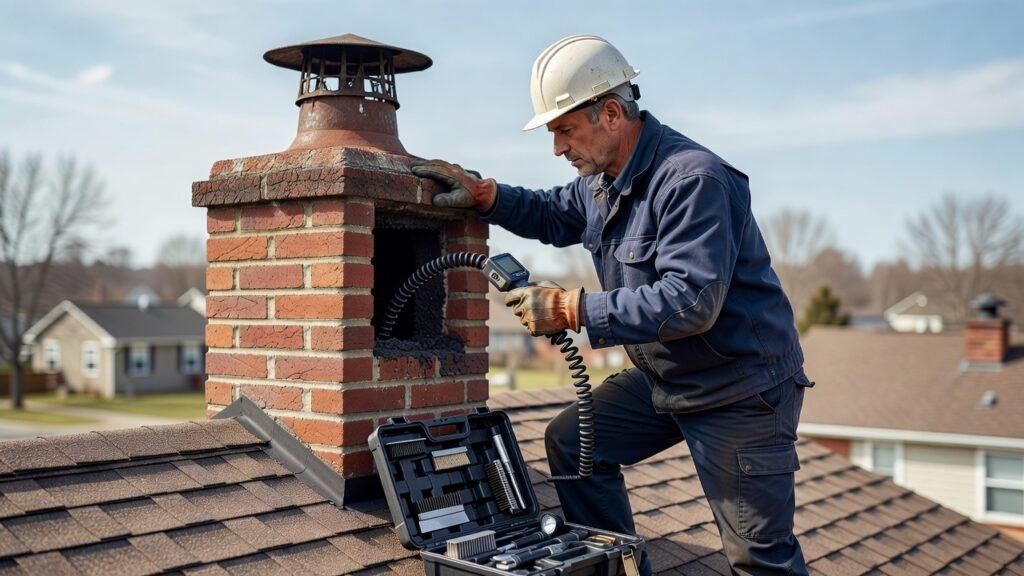
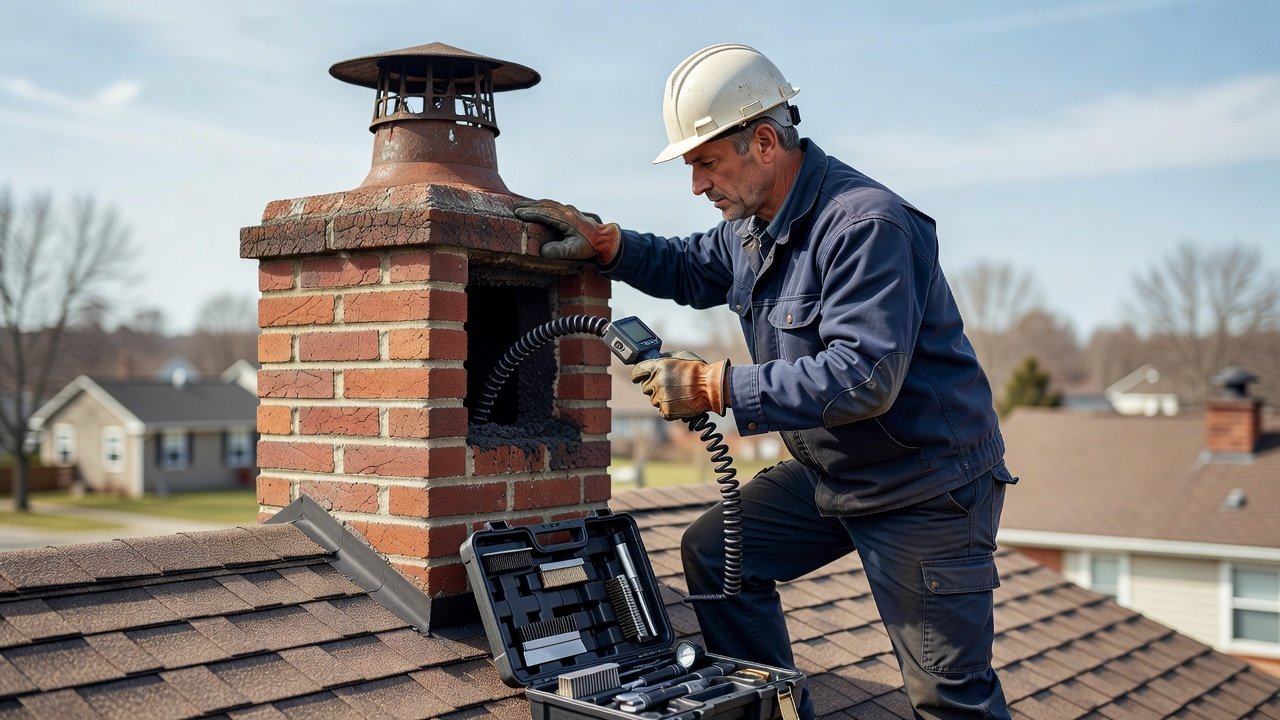
A Level 2 inspection is required any time there has been a change of fuel type, a new insert or liner has been installed, the home has been sold, or there’s been any seismic event or external damage (including a severe storm). It includes everything in Level 1 plus a video scan of the full interior flue using a camera system. This is how we see the liner from top to bottom cracks, spalling tiles, mortar joint failures, and any intrusions. It is the standard inspection for home sales in Bergen County and the one most insurance adjusters expect documentation of after a claim.
Level 3 — Invasive Investigation
Level 3 is reserved for cases where Levels 1 or 2 have identified a hazard that cannot be fully assessed without removing part of the structure. This is uncommon and we will always explain exactly why it’s necessary before any work begins. It might involve removing the chimney crown, opening a wall section, or extracting part of the liner.
What Our Inspection Covers, Start to Finish
- Firebox floor, walls, and back panel for cracks or spalling
- Damper operation, fit, and condition
- Smoke shelf and smoke chamber (parge condition)
- Full flue liner — clay tile or metal — for cracks, separation, or deterioration
- Flue interior for creosote classification (Stage 1, 2, or 3) and any blockages
- Chimney crown for cracking, improper slope, or missing drip edge
- Chimney cap for fit and animal/debris blockage
- Exterior masonry and mortar joints for spalling, open joints, or water damage
- Flashing at the roof-chimney junction for gaps or separation
- Clearances from combustibles in accessible areas
At the end of the inspection you get a plain-language verbal summary on the spot, and a written report with any findings. If we find something that needs repair, we’ll tell you what it is, why it matters, and what the fix involves. We won’t inflate the scope. If the chimney is in good shape, we’ll say so.
Why Northvale Homeowners Call Us Specifically
Northvale is a small borough about 4,600 residents packed into roughly one square mile. Most of the housing stock was built between the 1950s and 1980s, which means a large portion of local chimneys are working with original clay tile liners that are now 40 to 70 years old. Those liners were typically installed to handle wood or oil appliances, and many have since been connected to gas heating equipment, which requires careful evaluation of liner sizing and condition because gas combustion chemistry is different from wood.
We work in Northvale regularly and know the common failure patterns in this area’s housing stock. We’re not dispatching from an out-of-area call center we’re familiar with local rooflines, local masons, and the particular way Bergen County winters wear on exterior masonry.
Answers to the Questions Northvale Homeowners Ask Us Most
How often does a chimney in Northvale really need to be inspected?
NFPA 211 recommends that chimneys, fireplaces, and vents be inspected at least once a year regardless of how often they’re used. For a wood-burning fireplace with regular seasonal use in Bergen County’s climate with its freeze-thaw cycles and occasional heavy snow loads annual inspection before the heating season is the practical standard. If the chimney is purely decorative and sealed, every two to three years is more reasonable, but you should still confirm it’s sealed properly.
Is a chimney inspection required when buying a house in Northvale?
It is not legally mandated by New Jersey state law at the point of sale, but it is strongly advised and widely expected by buyers’ agents and lenders in Bergen County. A standard home inspection does not include a camera scan of the flue the home inspector will typically note the visible firebox and recommend a specialist evaluation. If you’re buying and skipping the chimney inspection to save a few hundred dollars, you could be inheriting a liner that needs full relining at several times that cost.
Our gas furnace vents through the chimney — does the inspection cover that too?
Yes, and it’s especially important. Gas appliances produce water vapor and acidic flue gases that degrade older clay tile liners faster than wood smoke. A significant number of Northvale homes vent gas furnaces or boilers through original masonry chimneys that were sized and built for different appliances. We check liner condition, sizing relative to the appliance’s BTU output and vent connector size, and whether the liner is appropriate for gas venting. If it isn’t, operating an improperly lined chimney with gas heat is a carbon monoxide risk that the inspection will surface.
Schedule Your Chimney Inspection in Northvale Today
The best time to book is late summer or early fall, before the demand surge that comes with the first cold snap. But if you need an inspection now for a real estate transaction, after unusual smells or sounds, or simply because it’s been a few years we’re available.
Contact Northvale Chimney to schedule your inspection. We’ll confirm the right inspection level for your situation, give you a clear timeframe, and provide you with honest findings and a written report when we’re done. No pressure, no upsell just an accurate picture of what your chimney looks like and what, if anything, it needs.
Call us or use the contact form on this page to book your Northvale chimney inspection.
Related from Northvale Chimney: Chimney Sweep Service in Northvale, NJ · Finding the Right Chimney Sweep Near Me Northvale · Smart Chimney Inspection Norwood NJ