Published November 4, 2026
Chimney Inspection Northvale NJ: What You Can Do Yourself and When to Call Us
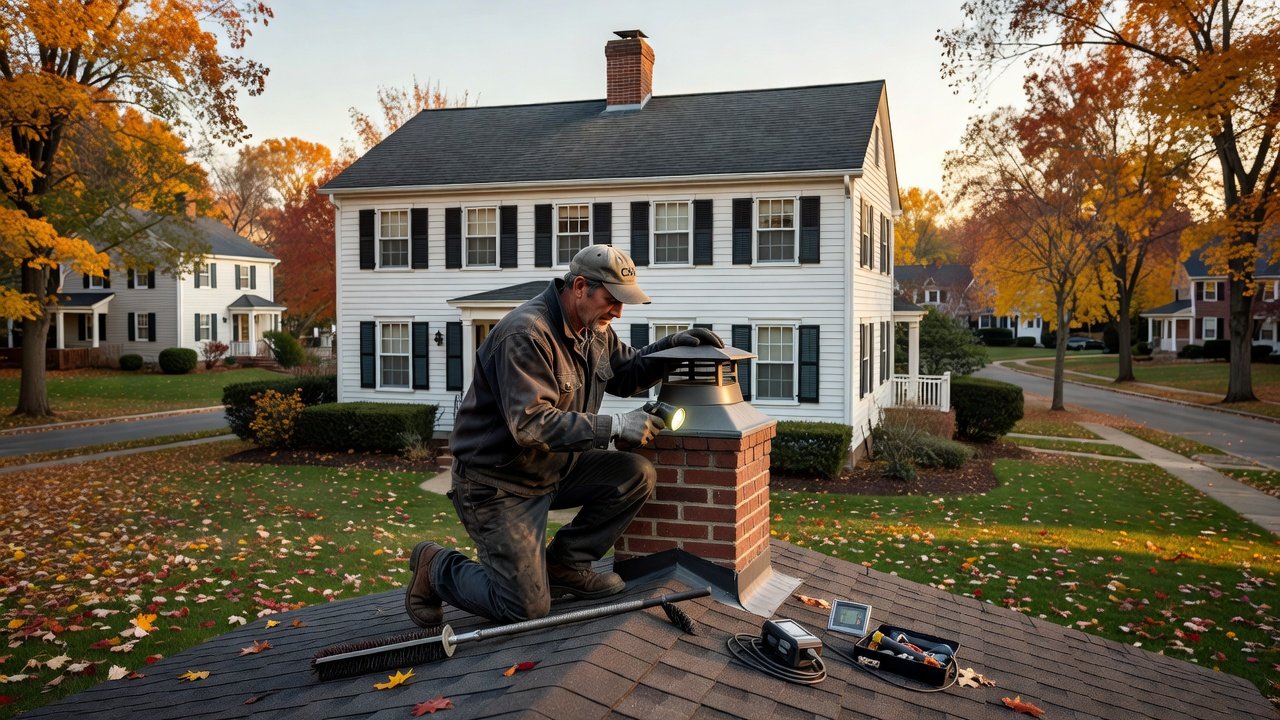
A homeowner on Haring Road in Northvale called us last fall after spending a Saturday afternoon on the roof trying to assess a smoky odor that had been drifting into the living room. He had watched a few videos, bought a flashlight, and figured he could handle a chimney inspection himself. What he could not see from above, and what our camera confirmed, was a cracked flue tile about twelve feet down from the top of the stack. He had been using the fireplace all October not knowing that gap existed. A chimney inspection in Northvale NJ happens to be one of those tasks where the line between what a homeowner can reasonably do and what genuinely needs a professional is worth spelling out clearly, because getting it wrong carries real consequences.
We are not in the business of telling people they need us for everything. Some of what we see homeowners attempting is unnecessary, and some of what they skip is not. This post lays out both sides honestly, based on what we actually find in the field across Northvale, Harrington Park, Closter, and the rest of the Northern Valley.
What a Capable Homeowner Can Safely Handle
There is meaningful work you can do before we ever show up, and doing it well makes the whole process faster and more useful for everyone.
The firebox is fully accessible from inside the home. You can clear out ash, check the damper plate for visible rust or warping, and look up into the smoke chamber with a good flashlight. If the damper handle sticks, moves freely, or feels loose, that is worth noting before your appointment. None of that requires climbing anything or specialized tools.
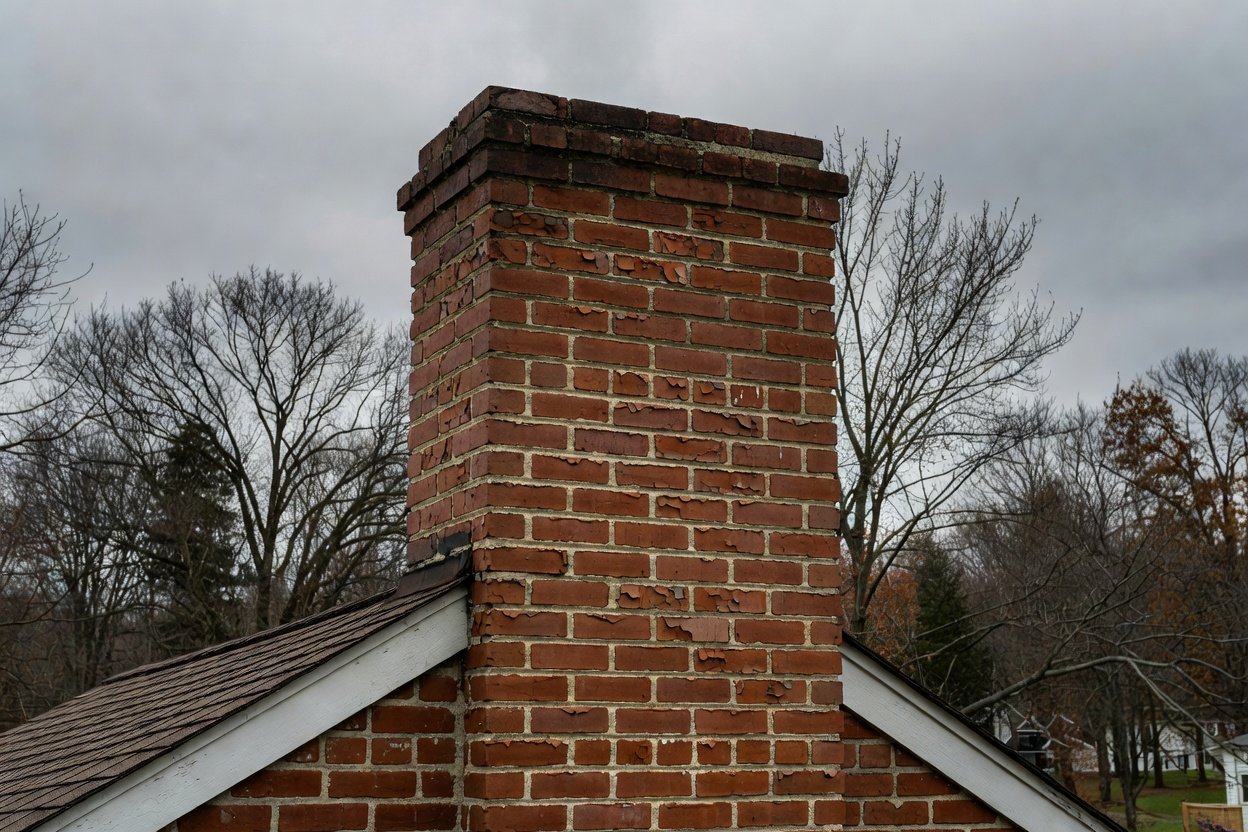
From the ground, you can examine the exterior of the chimney for obvious issues: spalling brick, white staining (called efflorescence, which signals water has been moving through the masonry), or mortar joints that look recessed or crumbly. A pair of binoculars is helpful. You are not diagnosing anything definitively; you are building a list of things to point out when we arrive.
Checking the chimney cap and crown from the ground is also reasonable. If the cap is missing, visibly bent, or shows heavy rust, that is something we should know about and something you can photograph yourself before calling. Many homeowners in Park Ridge and Woodcliff Lake do exactly this during their spring walkthrough and it helps us prioritize during the visit.
Clearing the area around the fireplace opening, removing any decorative items from the hearth, and making sure the flue is unobstructed by a closed damper before we arrive, all of that is squarely in the homeowner’s lane and genuinely speeds things up.
Where Homeowners Consistently Get Into Trouble
The most common mistake we see is treating a visual check as a complete inspection. Looking down from the top of the chimney with a flashlight does not reveal what a camera does. Flue tiles crack from the inside, mortar joints fail in sections you cannot see at an angle, and creosote can accumulate in spots that are invisible without the right equipment. According to the Chimney Safety Institute of America, creosote buildup is the leading cause of chimney fires in the United States, with the U.S. Fire Administration estimating roughly 25,000 chimney fires occur annually. Most of the homeowners whose chimneys catch fire had looked at their fireplace and seen nothing alarming.
The second mistake is cleaning without inspecting. We regularly find people in Harrington Park and Norwood who buy a brush kit, run it through the flue, and check the chimney off their list for the year. Sweeping removes debris, but it does not tell you whether a tile has separated, whether the liner has a gap, or whether the crown is directing water into the masonry. NFPA 211 requires that chimneys be inspected at least once a year and cleaned as needed; inspection and cleaning are two separate things.
The third mistake is DIY repairs to the flue liner or chimney crown using the wrong materials. We have seen homeowners use standard hydraulic cement on crowns, which does not hold up to freeze-thaw cycles. We have seen aluminum tape used as a liner patch. These fixes fail, sometimes quickly and sometimes slowly enough that the homeowner does not connect the repair to the problem that follows. Cracked crowns and deteriorating mortar need the right materials and the right application, or they fail again within a season.
Roof access is also a real hazard. Chimney stacks on older Northvale homes often sit at steep pitches. A fall from a residential roof is a serious injury. This is not an argument against homeowners being curious; it is an argument against spending forty minutes up there trying to accomplish something a technician with the right equipment will complete in fifteen.
What a Professional Inspection Actually Covers
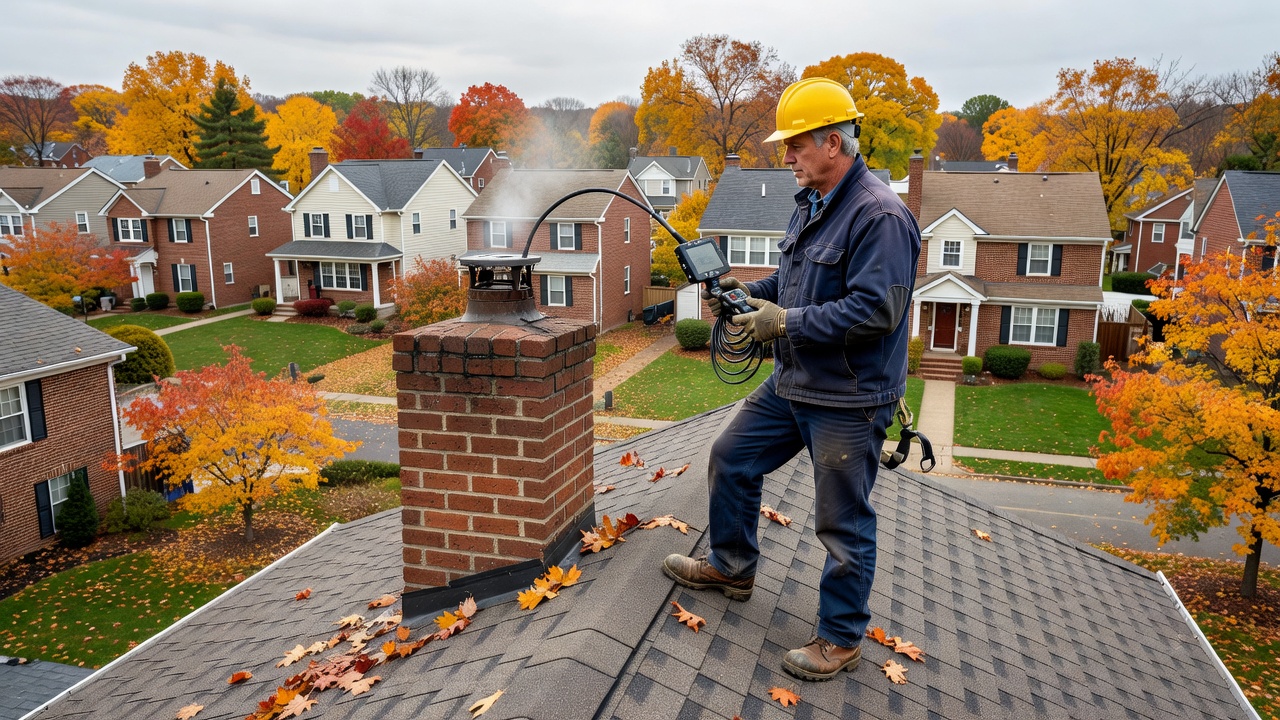
A Level 1 inspection, the annual standard, includes the accessible portions of the firebox, smoke chamber, and flue. A Level 2 inspection, which the CSIA requires after any home sale or system malfunction, adds video scanning of the entire flue interior and typically costs between $150 and $500 depending on chimney height and accessibility. That camera footage is what caught the cracked tile on Haring Road that the homeowner could not see from the top.
Beyond the visual findings, a professional inspection produces a documented report. If you are selling a home in Closter or refinancing in Old Tappan, that documentation matters. Insurance carriers and home inspectors both ask about chimney condition, and a written inspection record from a licensed technician carries weight that a personal note in a phone app does not.
For woodburning appliances, the CSIA recommends professional cleaning at least once annually if you are burning a cord of wood or more per season. Gas appliances still need an annual inspection even when sweeping is less frequently required, because venting issues and liner deterioration affect gas systems too.
The Short Version
Homeowners can and should do visual checks, note what they see, clear the firebox, and photograph anything that looks off. That is useful. What they should not do is treat that walkthrough as a substitute for a camera inspection, attempt flue liner repairs without the correct materials and training or spend time on a steep roof trying to accomplish something that takes a professional a few minutes with the right tools. The risk in getting it wrong is not a failed project; it is a chimney fire or carbon monoxide entering a living space. That distinction is worth keeping in mind before the heating season begins in October.
Frequently Asked Questions
How often should I schedule a chimney inspection in Northvale NJ?
NFPA 211 requires at least one inspection per year regardless of how often you use the fireplace. For woodburning fireplaces used regularly through the heating season, that annual inspection should also include a professional cleaning. If you have noticed a smoky odor, experienced a chimney fire, or are buying or selling a home, a Level 2 inspection with video scanning is required by CSIA standards.
Can I inspect my own chimney, or do I need to hire a professional?
You can safely do a ground-level visual check of the exterior masonry, look into the firebox from inside the home, and note obvious issues like a missing cap or spalling brick. What you cannot replicate without professional equipment is a camera scan of the flue interior, which is where tile cracks, liner gaps, and hidden creosote deposits actually show up. A personal visual check is a useful supplement to a professional inspection, not a replacement for one.
What does a chimney inspection cost in Bergen County NJ?
HomeAdvisor’s 2024 to 2025 cost data show the national average for a chimney sweep range from $130 to $380, with New Jersey and the broader northeastern United States trending toward the higher end due to labor costs. A Level 2 inspection, which includes video scanning and is required at home sale or after a malfunction, typically runs between $150 and $500 according to CSIA. The right number for your chimney depends on its height, accessibility, and what the inspection finds.
Schedule Your Northvale Chimney Inspection
A visual check from the ground can help you spot missing chimney caps, deteriorating mortar, and visible masonry damage. However, hidden flue cracks, liner gaps, and creosote buildup require professional inspection equipment. An annual chimney inspection can help identify these issues before the heating season and provide a clearer picture of your chimney’s condition.
Northvale Chimney serves Northvale, Harrington Park, Closter, Norwood, Park Ridge, Woodcliff Lake, and surrounding Northern Valley communities. Our team provides professional inspections, camera scans when needed, and written reports explaining what requires attention and what can wait.
Visit chimneynorthvale.com or contact Northvale Chimney today to schedule your chimney inspection and request a professional assessment before the heating season.
Related from Northvale Chimney: Chimney Repair in Northvale, NJ