Timely Chimney Crown Repair Bergen County: 2026 Guide for Haworth Residents
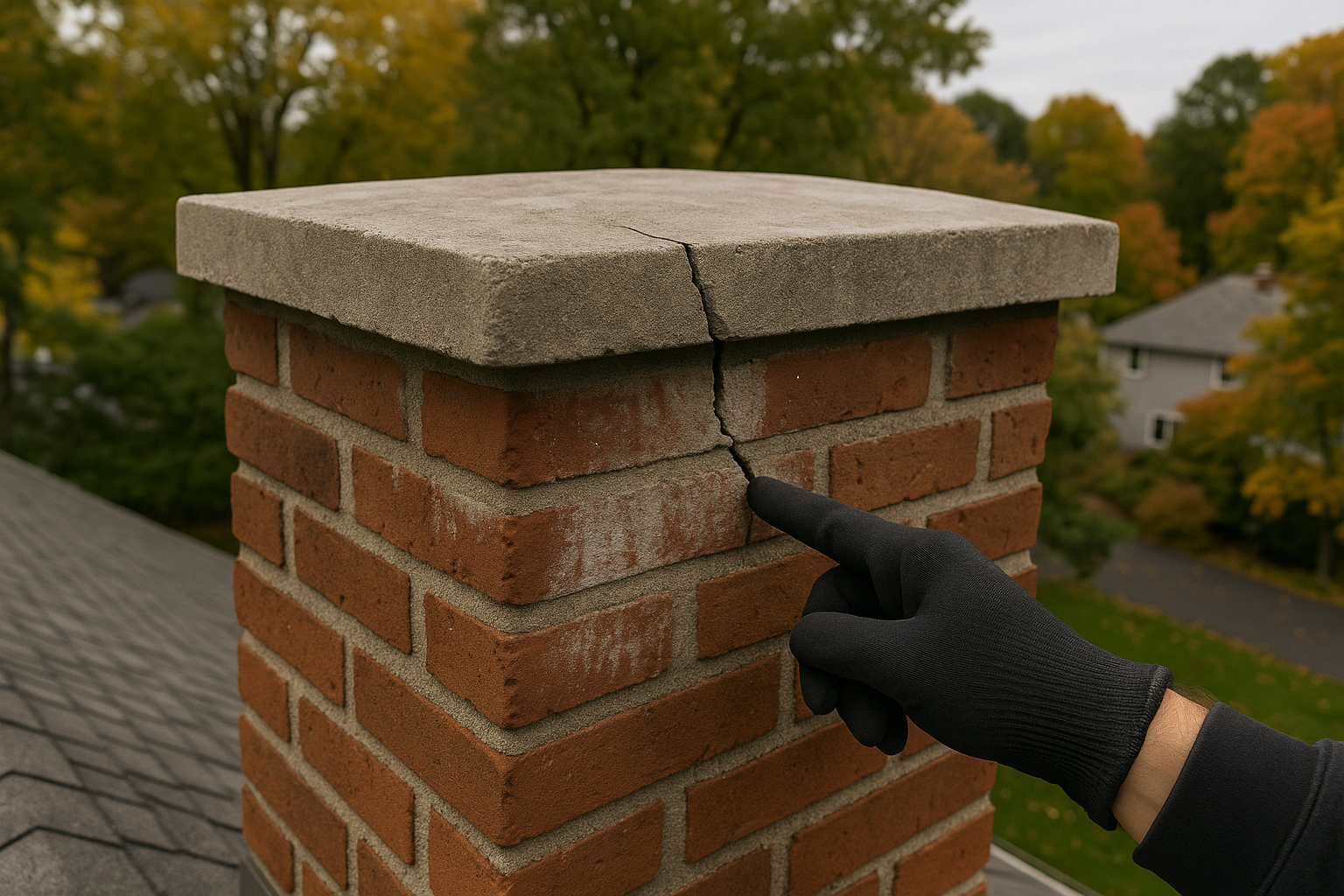
A homeowner on Terrace Avenue in Haworth called us last March, a few days after one of those late-winter freeze-thaw cycles that Bergen County does so well. She had noticed a thin crack running across the top of her chimney crown the previous fall and figured it could wait until spring. It couldn’t. By the time we got up on the roof, that hairline crack had opened into a gap wide enough to work a finger into, and water had been tracking down into the flue all winter. The repair that would have cost her a few hundred dollars in October had grown into a full crown replacement plus interior flue work. Chimney crown repair in Bergen County is one of those jobs that is genuinely time-sensitive, and the local climate is the reason why.
We write this from years of working in Haworth, Demarest, Closter, and the broader Northern Valley, so we know what happens to masonry in this specific corner of New Jersey. Temperatures here routinely swing across the freezing point ten, fifteen, sometimes twenty times between November and March. Water finds every imperfection in a crown, freezes, expands, and leaves a bigger imperfection behind. Understanding when to schedule this repair and what it actually involves can save a homeowner real money and real headaches.
What a Chimney Crown Repair Actually Involves
Before getting into timing, it helps to know what you are scheduling. The chimney crown is the concrete or mortar slab that caps the top of the chimney structure, sloping outward over the brick to direct water away from the flue opening. It sits exposed to everything the sky throws at it: UV, rain, frost, snow load. Over time, even a well-built crown develops surface crazing and, eventually, structural cracks.
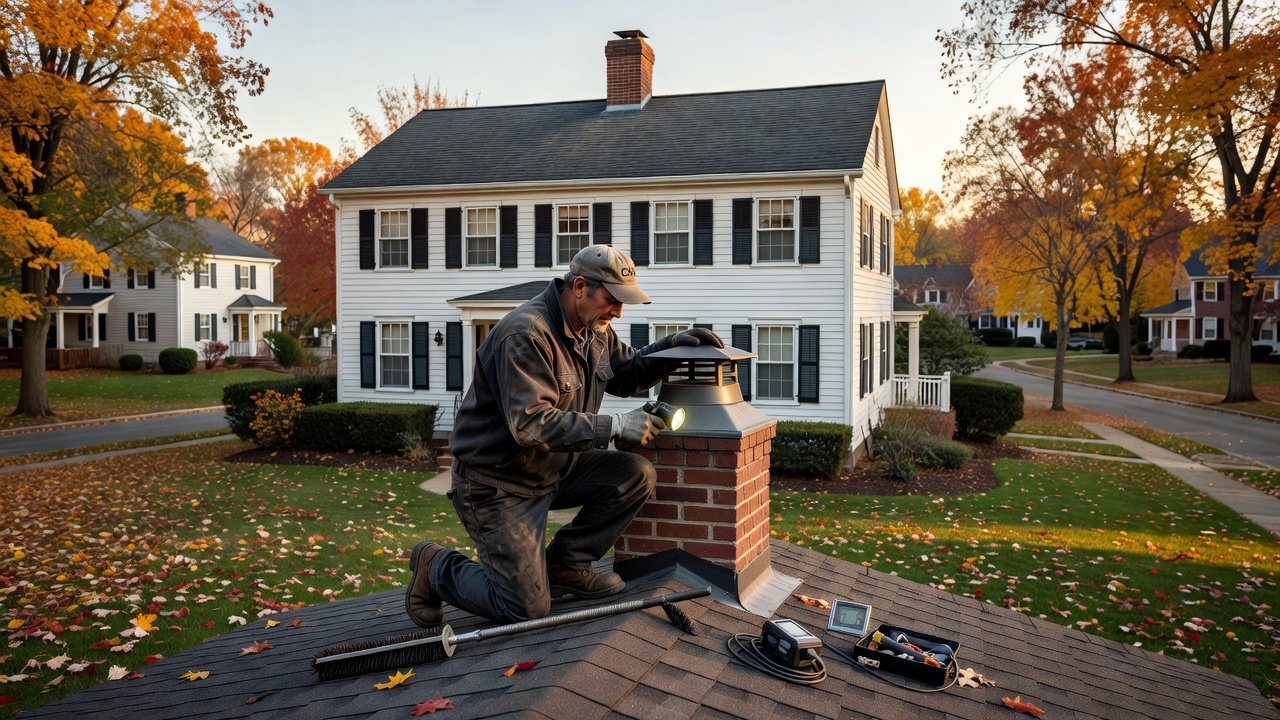
When we arrive at a job, we start by getting on the roof and doing a hands-on assessment. Probing the crown tells us whether we are dealing with surface deterioration which can often be addressed with a high-elasticity crown coat sealant or a structural failure that requires removing the old material and forming a new crown from scratch. That distinction matters a lot for cost and timeline. A reseal job on a sound-but-weathered crown typically runs a few hundred dollars. A full removal and replacement on a larger, double-flue chimney of the kind common in older Haworth and Demarest homes can run considerably more, often $600 to $1,200 depending on height, accessibility, and the extent of any secondary damage.
The actual work involves cleaning the surface, removing loose or failed material, applying bonding agents where needed, forming and finishing the new crown or sealant coat, and allowing proper cure time before rain exposure. Weather conditions on the day of the job matter. We will not apply crown materials when temperatures are below 40 degrees Fahrenheit or when rain is expected within 24 hours. That is not a preference it is chemistry. Mortar and sealant need stable, mild conditions to cure properly, which is why the calendar question is not trivial.
The Season-by-Season Window for Chimney Crown Repair in Bergen County
Spring (March through May): The Ideal Opening
After a Bergen County winter, spring is when we see the most crown damage become visible. Freeze-thaw cycling has done its work, and the cracks that started small are now obvious. The good news is that April and May offer near-perfect conditions for masonry work mild temperatures, lower humidity, and longer dry windows between rain events. This is the best time to book, and our calendar fills up quickly because of it. Homeowners in River Vale and Park Ridge who call us in April tend to get on the schedule within a week or two. Homeowners who wait until June sometimes wait longer.
Summer (June through August): Still Good, But Book Early
Summer is workable, but extreme heat can affect how quickly sealant materials set up, and we need to be strategic about scheduling on days when surface temperatures on a dark roof are not cooking the materials before they can cure evenly. July in Bergen County can push roof surface temperatures well above 120 degrees, which is not ideal for crown work. That said, summer is not a bad window just not quite as clean as spring or early fall. It is a reasonable time to get on a waiting list if you missed the spring rush.
Early Fall (September through Mid-October): The Second-Best Window
September and early October are excellent. Temperatures drop back into the ideal range, rain events are generally spaced out, and there is still enough warmth for proper cure time before the first freeze. This is when we encourage homeowners who noticed crown issues during the summer to act. According to the NFPA, the standard heating season in New Jersey runs roughly October through April, and a cracked crown heading into that window is a liability. We do a fair amount of crown work in Northvale and Old Tappan during this stretch, and the results are consistently good.
Late Fall (Mid-October through November): The Narrowing Window
Once nighttime temperatures start dropping toward freezing consistently typically by mid-October in the Northern Valley our working window tightens. We can still do crown work in November, but we are watching forecasts carefully and sometimes rescheduling when a cold snap arrives earlier than expected. This is not the time to start shopping around. If you are calling us in late October, we will do our best, but there is real weather risk to contend with, and we will not rush a job to beat a frost and leave you with a crown that fails in year one.
Winter (December through February): Mostly a No-Go
Honest answer: we rarely do crown repairs in the heart of a Bergen County winter, and we are skeptical of any contractor who does them without qualification. The chemistry of mortar and crown coat sealant simply does not work well below 40 degrees, and the freeze-thaw cycling that hits hardest in December through February means freshly applied material is at maximum risk before it has any chance to cure. The Chimney Safety Institute of America identifies moisture intrusion as one of the primary drivers of chimney deterioration, and a poorly timed crown job can accelerate exactly the damage it was meant to prevent.
What Happens When You Wait Too Long
The Haworth homeowner we mentioned at the start is not an unusual case. Water is patient and persistent, and a cracked crown is an open invitation. Once moisture gets past the crown, it can saturate the flue liner, damage the smoke chamber, corrode the damper, and work its way into the masonry joints below the roofline. What started as a crown problem becomes a flue problem becomes an interior water damage problem. The National Fire Protection Association (NFPA 211) requires that chimneys be inspected at least once a year regardless of use, and an inspection will catch crown deterioration before it compounds but only if you schedule one.
We have also seen situations in Woodcliff Lake and Hillsdale where homeowners delayed because they assumed the fireplace was not being used much, so what was the hurry. The crown does not care whether you burned wood last winter. Rain and frost work on it year-round.
The Best and Worst Times to Call Us
The best time to call is April through May, or September through early October. Those windows give us good weather, reasonable scheduling flexibility, and enough buffer before heating season to address anything else we find during the inspection. According to the Chimney Safety Institute of America, a Level 2 inspection which includes video scanning of the flue interior typically costs between $150 and $500 and is the right starting point when you suspect crown or flue damage. We often pair an inspection with crown work when a homeowner is not sure of the extent of the problem.
The worst time to call, practically speaking, is late November when you have already been burning fires for a month and want everything sorted before the holidays. We will do our best, but weather constraints are real and the scheduling calendar is tight. Calling us a season earlier gives you options.
Frequently Asked Questions
How do I know if my chimney crown is cracked and needs repair?
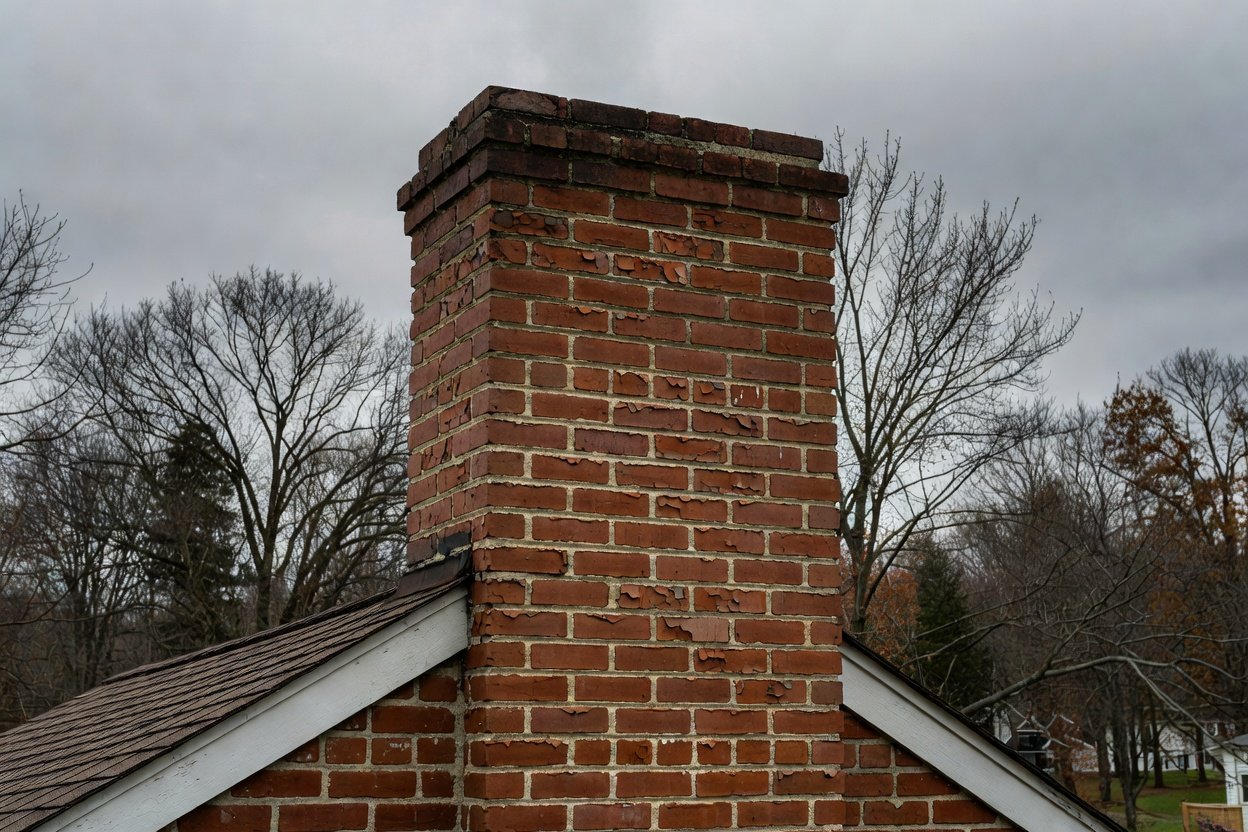
The most reliable way is a professional inspection, but there are signs a homeowner can look for from the ground: white staining (efflorescence) on the upper brick courses, visible chunks of mortar or concrete on the roof or in the gutters, and water stains inside the firebox that do not correspond to a chimney cap problem. In Bergen County’s climate, we recommend getting eyes on the crown every spring after the freeze-thaw season has done its worst. A cracked crown that is caught early is typically a straightforward, affordable repair. One that has been leaking for a full winter often involves secondary damage to the flue or masonry below.
What does chimney crown repair cost in Bergen County in 2026?
It depends heavily on the condition of the crown and the size of the chimney. A reseal with a high-elasticity crown coat on a sound but weathered crown typically runs in the low hundreds. A full removal and replacement on a larger or double-flue chimney common in older homes in Haworth, Demarest, and Closter generally ranges from $600 to $1,200 or more depending on height, roof pitch, and accessibility. HomeAdvisor’s 2024-2025 data confirm that chimney services in the northeastern United States, including New Jersey, trend toward the higher end of national cost ranges due to local labor market conditions. We provide firm, written estimates before any work begins.
Can chimney crown repair be done in cold weather?
Not safely or reliably. Mortar and crown sealant materials require temperatures above 40 degrees Fahrenheit during application and through the initial cure period typically at least 24 to 48 hours. Bergen County winters regularly drop below that threshold overnight even when daytime temperatures feel mild. Applying crown material in conditions that are too cold produces a repair that may look fine initially but fails during the first hard freeze. We schedule crown work between April and mid-October whenever possible, and we will always be honest with a homeowner when conditions are not right rather than rush a job that will not last.
Schedule Your Bergen County Chimney Crown Repair
Don’t wait for a small crack to become a major water intrusion problem. If you have noticed cracks, staining, loose masonry, or signs of moisture around your chimney, getting it inspected early can help prevent more expensive damage.
Our team serves Haworth, Demarest, Closter, Northvale, Old Tappan, River Vale, Park Ridge, and surrounding Bergen County communities. Contact us for a professional chimney inspection and a clear written estimate for any recommended crown repair or replacement.
Call today to schedule your chimney crown inspection and get the repair handled before the next freeze-thaw cycle.
Related from Northvale Chimney: Finding the Right Chimney Sweep Near Me Northvale · Urgent Chimney Repair Harrington Park NJ