Honest Fireplace Inspection Northvale NJ: 2026 Guide for River Vale and Bergen County Residents
Most homeowners we meet assume their fireplace is fine until something goes wrong. That assumption is understandable a fireplace that lights easily and draws smoke upward can feel perfectly healthy. But a fireplace inspection in Northvale NJ and the surrounding River Vale area turns up problems almost routinely in homes that were, by every outward sign, working without issue. We know this because we do this work every week, and the gap between “seems fine” and “actually fine” is wider than most people expect.
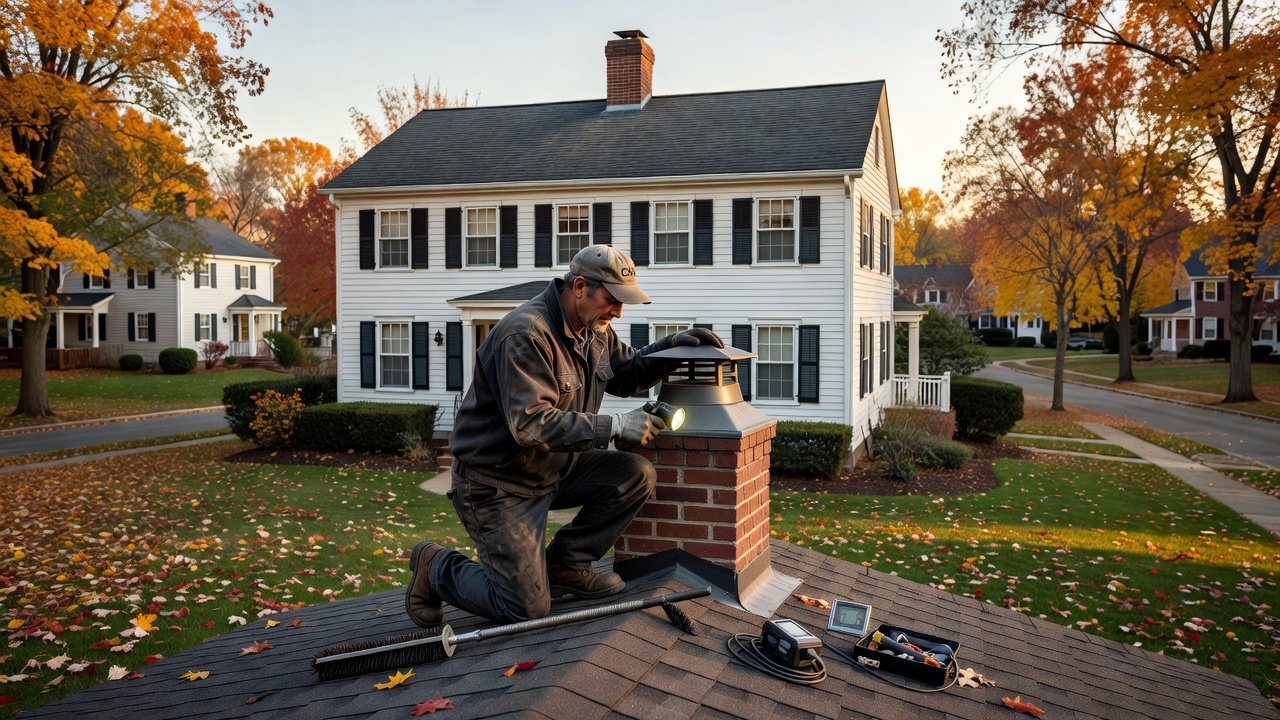
Last fall, a family on Rivervale Road called us after buying a colonial-style home in River Vale. They had used the fireplace twice before someone mentioned they should have it looked at. When our technician got up on the roof and then pulled the camera through the liner, we found a section of clay flue tile that had cracked through almost certainly from a previous low-grade chimney fire the prior owners may not have even noticed. The house was structurally sound, the fireplace drew fine, and nothing had ever alarmed them. That kind of discovery is exactly why we get so direct with people about what a proper inspection actually involves.
The Belief That a Clean-Looking Firebox Means a Safe Chimney
This one comes up constantly, especially in Harrington Park and Woodcliff Lake where we service a lot of older homes with handsome brick fireplaces that have been maintained cosmetically for decades. Homeowners scrub the firebox, keep the hearth swept, and feel like they are on top of things. And they are just not the part that matters most from a safety standpoint.
The firebox is the visible 10 percent. The flue liner above it, the smoke chamber, the damper throat, the crown, and the top of the chimney are where problems develop quietly. Creosote a tar-like residue that coats the interior of a flue accumulates out of sight. According to the Chimney Safety Institute of America, creosote buildup is the leading cause of chimney fires in the United States, with the U.S. Fire Administration estimating roughly 25,000 of those fires every year. None of those homeowners were looking at the firebox and thinking anything was wrong, either.
Thinking Annual Inspections Are Only for Heavy Users
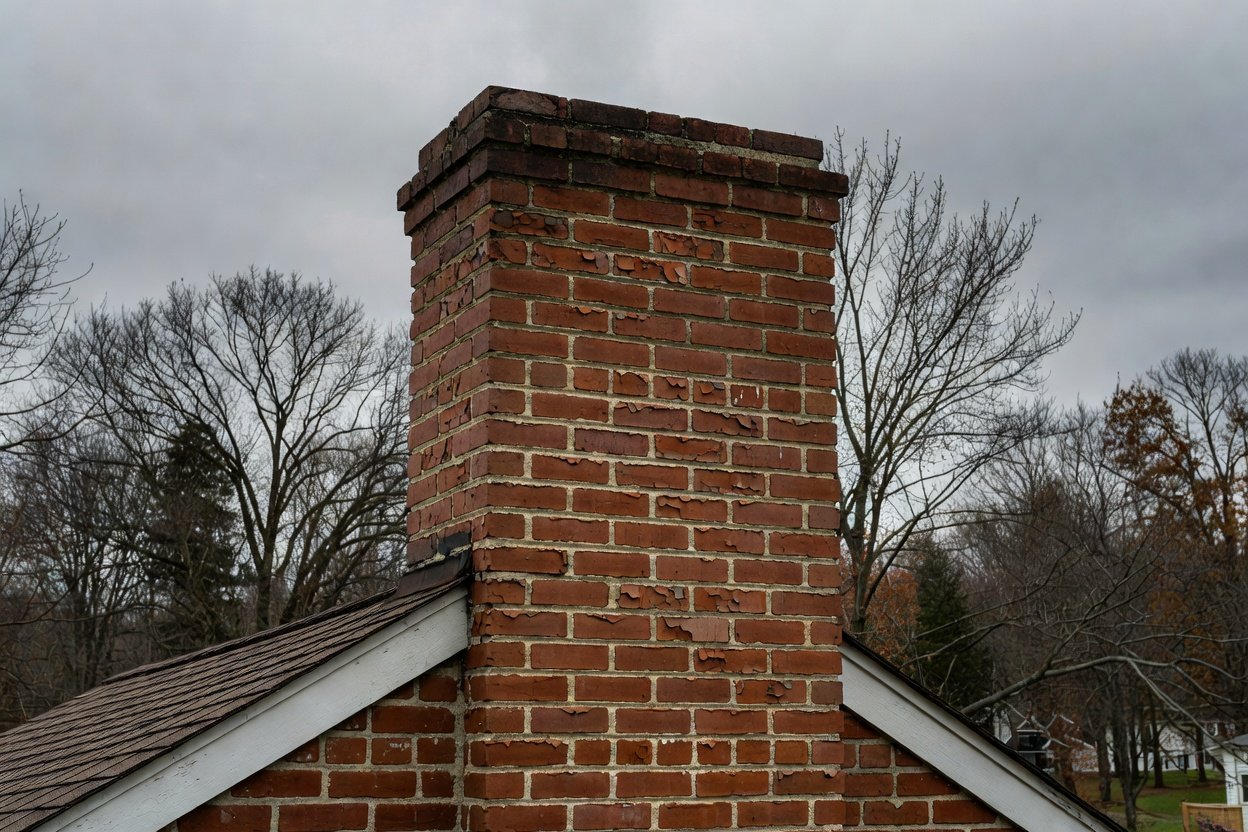
We hear this from homeowners who light the fire maybe six or eight times between October and March and feel like that level of use doesn’t justify the expense of an annual inspection. It’s a reasonable-sounding assumption, and it’s wrong. The National Fire Protection Association recommends that chimneys, fireplaces, and vents be inspected at least once a year regardless of how frequently they are used. The reasoning isn’t just about creosote accumulation it’s about everything else that can change inside a chimney over twelve months: animal nesting in the flue, mortar joints that spalled over the summer, a cracked crown after a hard freeze, a liner joint that shifted.
In River Vale and neighboring Park Ridge, we inspect a fair number of gas fireplace inserts for this same reason. Homeowners almost universally believe that because they’re burning gas and not wood, they’re off the hook. The CSIA is clear that gas appliances still require annual inspection even when sweeping is less frequently needed. A gas flue can corrode, a vent can be partially blocked by debris, and the results of a blockage in a gas system can be carbon monoxide infiltration rather than a visible fire which makes it harder to detect and potentially more dangerous.
Underestimating What a Level 2 Inspection Actually Is
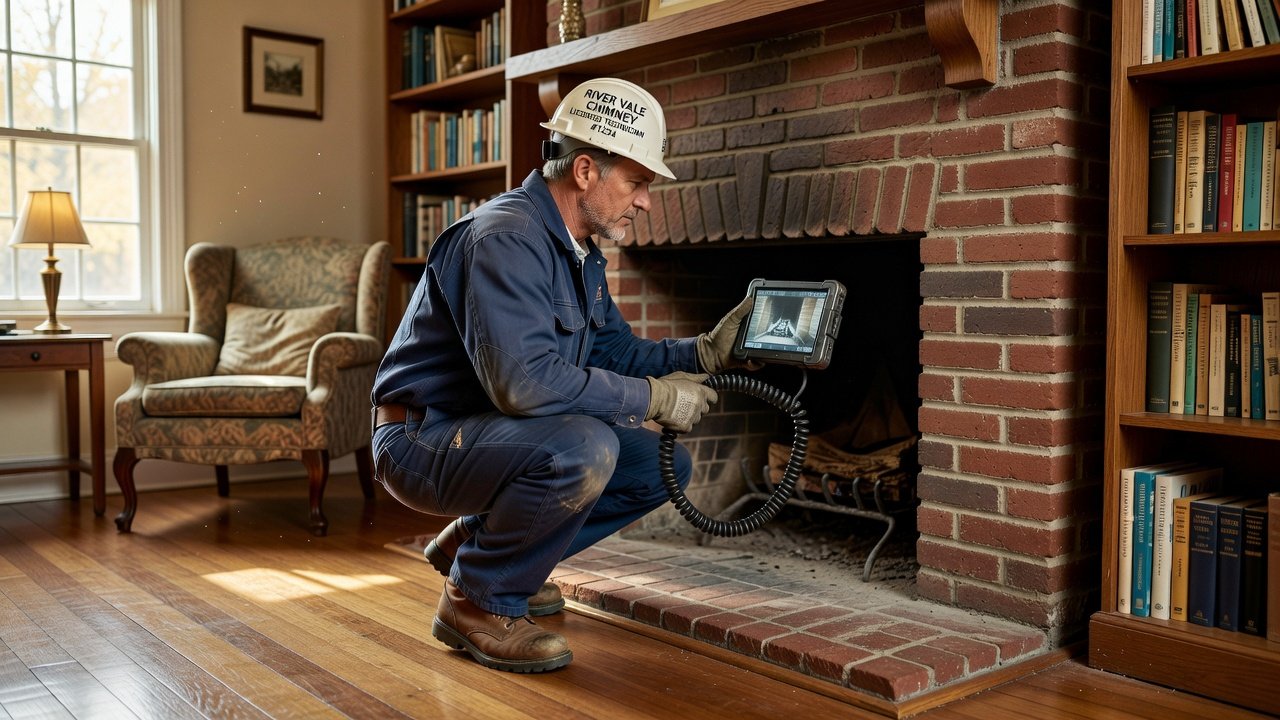
When a home changes hands, or after any system malfunction, a Level 2 inspection is required under CSIA standards. We do a significant number of these in connection with real estate transactions across Northvale, River Vale, and Old Tappan. The misconception here is that buyers and sellers both treat it as a quick walkthrough a checkbox rather than a diagnostic. A real Level 2 inspection involves a video camera run through the full length of the flue liner, examination of the accessible portions of the exterior and interior, and a written report of conditions. It takes time and equipment, and it should.
The CSIA reports that a Level 2 inspection typically costs between $150 and $500 depending on chimney height, liner accessibility, and local market rates. In Bergen County, costs tend to land toward the middle and higher end of that range, which is consistent with labor costs across the northeastern US. We’ve had buyers try to skip this step to close faster, and in two cases in the past year alone one in River Vale, one in Emerson those buyers would have inherited liner damage that would have cost several thousand dollars to repair. The inspection cost is modest compared to that exposure.
Assuming the Gas Insert Cleaned Up the Problem
A lot of homeowners in River Vale and throughout the Northern Valley converted wood-burning fireplaces to gas inserts over the past decade. It was a practical move easier to operate, cleaner burning, no wood to store. But the insertion of a gas appliance into an existing masonry chimney does not neutralize whatever condition that chimney was already in. We’ve pulled gas inserts in Northvale and Closter where the liner behind the insert had significant pre-existing damage from the home’s years as a wood burner. The insert was functioning perfectly. The chimney behind it was another story entirely.
When a gas insert is installed, the liner should be evaluated for its suitability for the new appliance gas flues require different liner dimensions and materials than wood-burning systems. If that step was skipped at installation, or if the home was sold and the new owners never looked into it, you may have a gas appliance venting through a compromised or improperly sized liner. This is not a theoretical problem. We find it.
Waiting Until Spring to Think About Last Winter
The most common timing mistake we see is homeowners who plan to deal with chimney maintenance “after the season.” By the time spring arrives, the thought gets pushed to summer. Summer becomes fall. And then November comes around and the fireplace gets used again without anyone ever looking at it. The CSIA recommends that wood-burning appliances burning a cord or more per season receive a professional cleaning annually. Practically speaking, late summer and early fall August through October is when we have the most schedule availability and when homeowners get the most value from the service, because they’re heading into heating season with a clean, inspected system rather than hoping last year’s conditions haven’t changed.
Heating equipment, including fireplaces and chimneys, is the second leading cause of home fires in the United States, accounting for about 13 percent of reported fires according to NFPA data. That number is driven almost entirely by deferred maintenance and infrequent inspection not by the appliances themselves, which are safe when properly maintained. There is nothing complicated about staying ahead of this. It just requires not waiting.
Frequently Asked Questions
How often do I need a fireplace inspection in Northvale NJ or River Vale?
Once a year, regardless of how much you use your fireplace. The National Fire Protection Association standard applies to all chimneys and venting systems woodburning, gas, and oil-burning alike. In River Vale and throughout Bergen County, we recommend scheduling in late summer or early fall so you’re ready before the heating season starts in October.
Does my gas fireplace insert in River Vale still need an annual inspection?
Yes. Gas appliances produce moisture and combustion byproducts that can degrade a liner over time, and a blocked or damaged gas flue can result in carbon monoxide entering the home. The CSIA recommends annual inspection for gas appliances even when sweeping is less frequently required. If your insert was installed in an older masonry chimney, the liner condition behind the insert is especially worth evaluating.
What is a Level 2 chimney inspection and when is it required in New Jersey?
A Level 2 inspection includes a video camera scan of the full flue interior plus examination of all accessible exterior and interior components. It is required any time a home is sold, whenever there has been a system malfunction or evidence of a chimney fire, or when a new appliance is installed. In Bergen County, Level 2 inspections typically cost between $200 and $450 depending on chimney height and system complexity.
Schedule Your Northvale Fireplace Inspection
If your River Vale home has a fireplace that hasn’t been formally inspected this year or if you’re buying or selling in Northvale, Harrington Park, Old Tappan, Park Ridge, or anywhere else in the Northern Valley our team at Northvale Chimney is ready to take a look. We work through the whole system, write up what we find, and handle repairs when they’re needed. No shortcuts, no vague reassurances. Done once and done right. Reach out to us at chimneynorthvale.com to schedule your 2026 inspection before heating season arrives.
Related from Northvale Chimney: Chimney Inspection in Northvale, NJ · Finding the Right Chimney Sweep Near Me Northvale · Chimney Sweep Service in Northvale, NJ